

Jet
A naturally black material strongly associated with Victorian mourning jewelry.
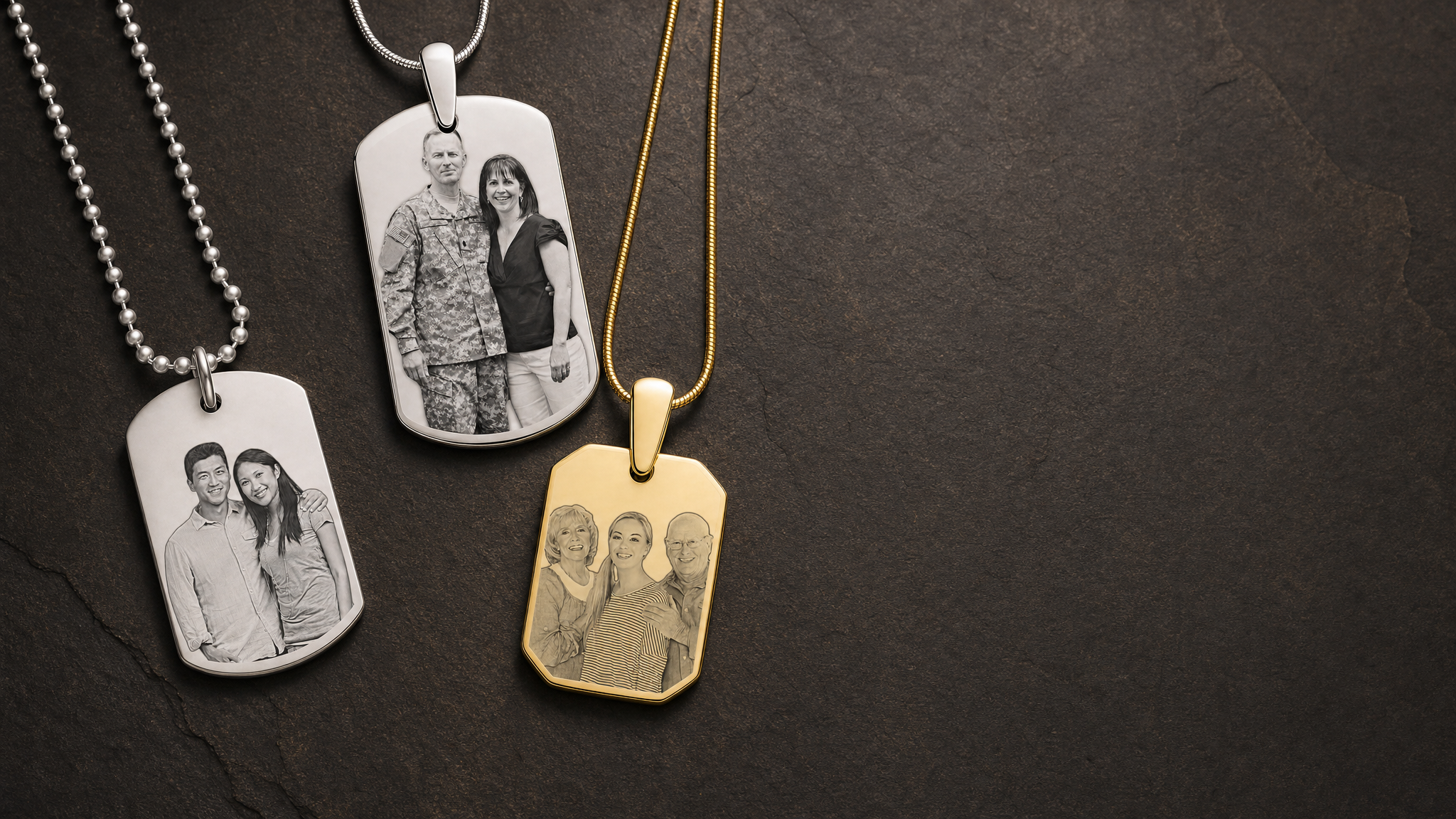
For centuries, mourning jewelry has served as a deeply personal way to honor loved ones and preserve cherished memories. From ornate Victorian lockets and woven hair jewelry to today's personalized memorial keepsakes, these meaningful pieces reflect a timeless desire to keep those we love close. While styles have evolved over the years, the sentiment behind them remains unchanged—a lasting tribute to a life remembered with love.

Long before memorial jewelry became the personalized keepsakes we know today, people found meaningful ways to honor those they had lost. Across civilizations and throughout history, jewelry has served as a symbol of remembrance, love, and enduring connection.
What began as simple tokens of devotion gradually evolved into beautifully crafted pieces that reflected the customs, beliefs, and artistry of each era. While styles have changed over the centuries, the purpose has remained remarkably consistent—to keep the memory of a loved one close.

Every keepsake we create begins with a conversation, a memory, and a desire to honor someone who will never be forgotten.

The earliest forms of mourning jewelry appeared thousands of years ago. Egyptians, Greeks, and Romans often buried loved ones with jewelry or created symbolic pieces representing eternal life, protection, and remembrance. Though styles have evolved, the desire to honor those we love has remained remarkably unchanged.

During the Georgian era, mourning jewelry became increasingly elaborate and deeply personal. Lockets, miniature portraits, hand-painted enamel, and woven hair were carefully incorporated into jewelry as lasting tributes. Each piece reflected both exceptional craftsmanship and profound emotional significance, transforming remembrance into wearable art.

Following the death of Prince Albert in 1861, Queen Victoria's lifelong mourning influenced an entire generation. Black enamel, jet gemstones, lockets, and intricately woven hair jewelry became defining symbols of remembrance. Memorial jewelry evolved from private keepsakes into a widely recognized expression of love and loss.

Today's memorial jewelry honors centuries of tradition while embracing modern craftsmanship. Fingerprints, handwriting, photographs, cremation jewelry, and permanently sealed keepsakes allow families to create deeply personal tributes that celebrate a unique life and preserve meaningful memories for generations to come.
Historical inspiration
For centuries, mourning jewelry has helped people preserve the memory of someone they love. Although materials and craftsmanship have evolved, the purpose has remained remarkably consistent—to keep a cherished connection close.
Then
Small painted portraits helped families carry the likeness of a loved one before photography became widely available.
Today
Modern engraving allows a treasured photograph to become part of a wearable personalized keepsake.
Then
A lock of hair offered a tangible connection to the person being remembered and became an important part of Georgian and Victorian mourning jewelry.
Today
Fingerprints and handwriting preserve uniquely personal details that belong to one person and one story.
Then
Lockets protected miniature portraits, woven hair, inscriptions, and other treasured mementos close to the wearer.
Today
Modern cremation pendants and keepsakes continue the tradition of carrying a meaningful physical connection close each day.
Then
Dark materials became closely associated with mourning, especially during the Victorian era.
Today
Today's memorial jewelry uses sterling silver, gold, stainless steel, resin, and other materials while preserving the same heartfelt purpose.
Then
Names, initials, dates, and remembrance phrases personalized mourning jewelry centuries ago.
Today
Names, dates, coordinates, handwriting, short messages, and meaningful phrases continue that tradition today.
Then
Historic lockets and keepsakes often protected a private memento inside the jewelry.
Today
Professionally filled and permanently sealed memorial jewelry offers a discreet modern way to keep cremated ashes securely inside.
Historic symbols & materials
A naturally black material strongly associated with Victorian mourning jewelry.
Small painted likenesses allowed families to preserve a loved one's image before modern photography.
Hair provided a deeply personal physical connection to the person being remembered.
Lockets protected portraits, hair, written messages, and other personal mementos.
Names, dates, initials, and memorial phrases personalized historic remembrance jewelry.
Crosses, flowers, leaves, and other motifs represented faith, remembrance, love, and hope.
While the styles have evolved from ancient amulets to Victorian lockets and today's personalized keepsakes, the purpose of memorial jewelry has remained remarkably consistent. Every generation has searched for meaningful ways to honor loved ones, preserve memories, and keep important connections close. Today's fingerprint jewelry, photo engraved keepsakes, handwriting jewelry, cremation jewelry, and permanently sealed designs continue that tradition with modern craftsmanship and personal significance.

